
Review infrastructure and settings
We assess firewalls, segmentation, communication paths and permissions to identify improvements within the service scope.
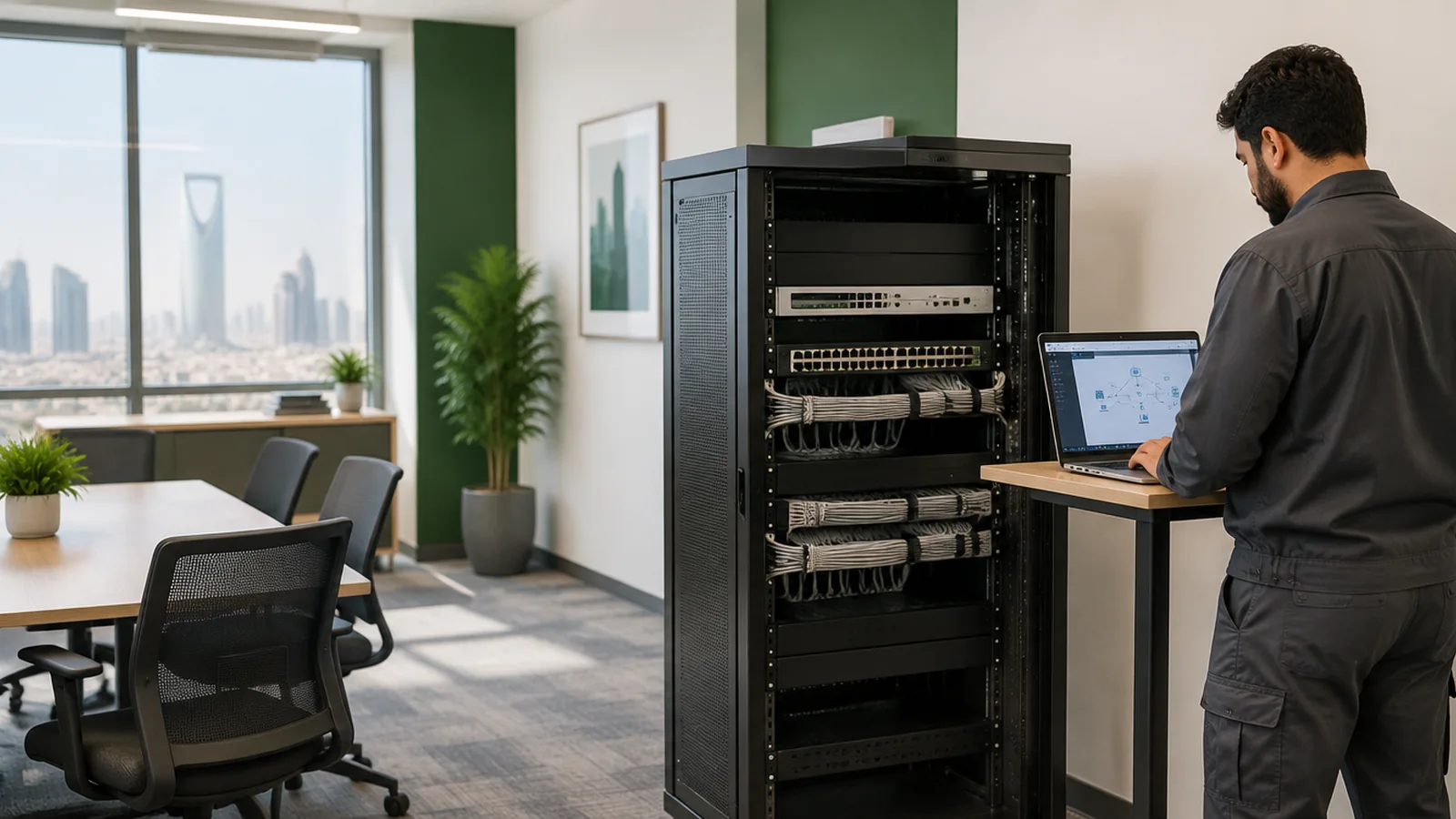
We review and configure firewalls, segment networks and organize branch and remote connectivity around your users, systems and operational needs.
Staff, guests, servers and connected systems share one network without clear separation.
Guest connectivity may reach internal resources that visitors do not need.
Older firewall settings or a long rule list that is difficult to review.
Staff need business resources outside the office, without a clear access setup.
Branches are connected without defined communication paths and permissions.
New devices and systems were added without reviewing segmentation or access.
A firewall is one part of the design. Segmentation, traffic policies, user permissions and configuration work together to define allowed connections and restrict unnecessary access.
We organize rules around required business connections and review outdated rules or access broader than necessary.
Zones or VLANs can separate users and systems, with policies controlling connections between them. Separation depends on appropriate configuration.
We identify who needs branch or remote connectivity and which resources they should be able to use.
We review relevant services, settings and paths, with improvements and further reviews defined within the agreed scope.
We assess firewalls, segmentation, communication paths and permissions to identify improvements within the service scope.
We install or reconfigure firewalls and organize traffic policies around usage, considering next-generation firewall functions where appropriate.
We plan zones and VLANs and control traffic between them, separating guests, users and internal systems according to their needs.
We configure site-to-site VPN between locations or remote access VPN for authorized users, with defined resources and permissions.
We organize user and device access, review wireless and guest network settings, and consider NAC solutions where suited to the infrastructure and scope.
We reduce unnecessary services and access paths, then test required connections and access boundaries against the agreed design.
Start with a network and firewall survey to identify suitable separation, connectivity and policies.
Install or replace a firewall, or review existing configuration and rules before expanding the network.
Connect a new branch to other sites or organize employee access to work resources outside the premises.
Add guest Wi-Fi or separate departments, servers, CCTV and systems with different access requirements.
Add VLANs, devices and systems, or reorganize a network without clear segmentation and access policies.
The review defines the work, delivered within the permitted business activity and regulatory requirements applicable to the project. Management, support and assessments follow the agreed service scope.
Instead of one shared network, zones can be created with defined connections between them. This example explains the principle; your actual design depends on systems and working practices.
Each team accesses the applications and resources required for its work under approved permissions.
Access is defined for the users and services that need it, rather than being available to everyone.
A dedicated zone can allow the connections required by management and recording systems.
Guest connectivity can be provided with policies restricting access to internal resources.
Users, systems, work locations, operational requirements and access levels guide the choice. VPN is part of the solution and requires appropriate configuration and permissions.
Connects branch or site networks, with defined systems and traffic allowed between them.
Allows authorized users outside the premises to reach specified resources, with suitable authentication requirements.
Identify users, systems and communication paths.
Assess firewalls, segmentation and existing connections.
Plan policies, separation and access requirements.
Configure components and connectivity within scope.
Review required connections, functions and access boundaries.
Hand over configuration information and support as agreed.
The Raseila approach
We consider the firewall, segmentation and connectivity within the overall network design.
We identify improvements to existing equipment and settings before proposing replacement.
We match permissions to actual use, considering system separation and expansion where needed.
We review allowed connections and required functions against approved policies and scope.
Network security depends on more than one device. Design, traffic policies, segmentation, permissions, configuration and review work together to reduce unnecessary access, without an absolute protection guarantee.
A firewall applies rules that allow or restrict traffic. Segmentation separates users and systems into zones, with suitable policies controlling connections between them. They complement each other.
When branches or sites need organized connectivity between their networks over an encrypted connection, for example to reach shared systems. Usage determines suitability and allowed resources.
Yes, depending on network components and design. A guest network can use policies restricting access to internal resources that are not intended for visitors, with separation tested.
Yes, if it is suitable for your needs. We review capabilities, condition, settings and rules to determine whether reconfiguration is enough or some components need upgrading.
Yes. Authorized users can be given remote connectivity through a suitable approach such as remote access VPN, with defined resources, permissions and authentication requirements.
Next step
Start with a survey of existing firewalls, segmentation and connectivity to identify improvements suited to your operations.